Support Optimal Hydration With This Delicious No-Cook Celery Soup Recipe
08/03/2026 / By Coco Somers
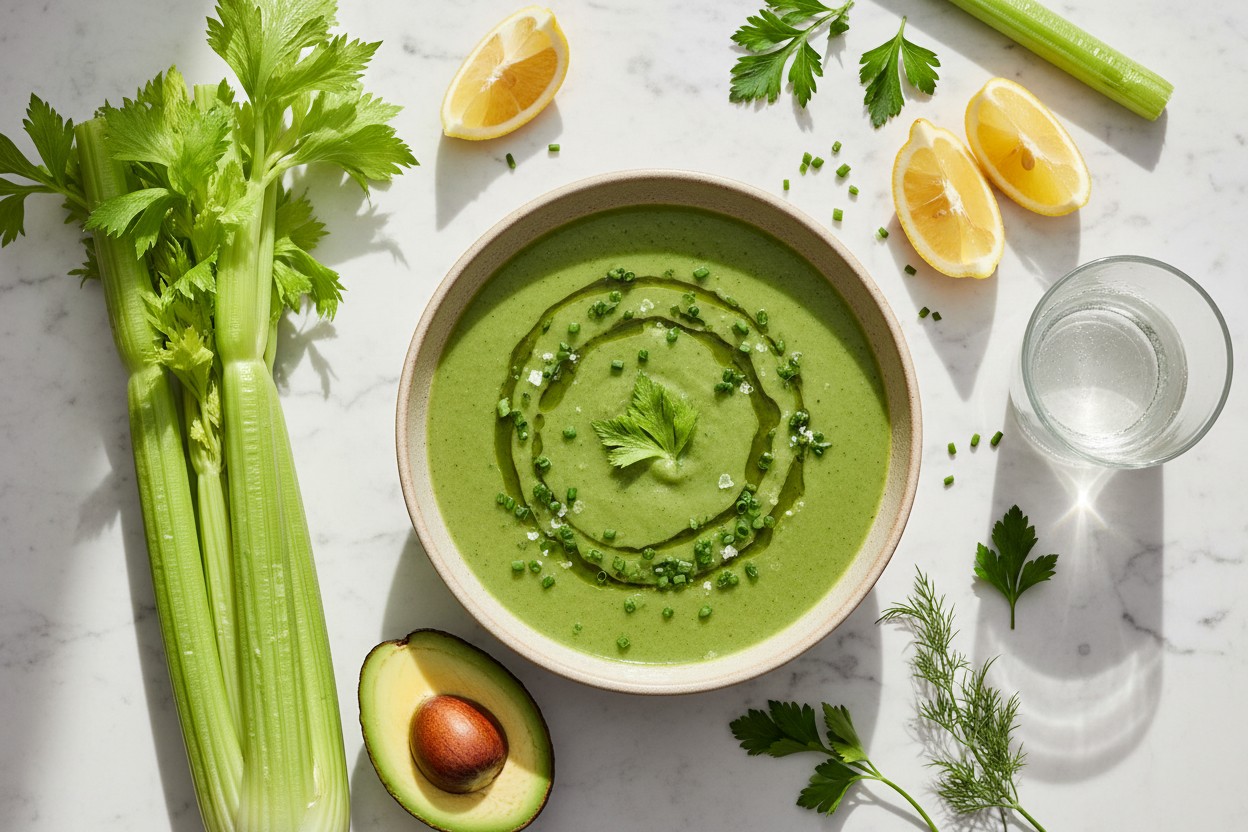
An article published by The Epoch Times on July 23, 2026, features a no-cook celery soup recipe written by functional nutritionist Terri Ward. According to the article, the recipe is intended to support hydration and naturally occurring electrolytes without using a stove. The recipe states it takes 10 minutes and yields 2 main servings or 3 to 4 appetizer servings.
Because the soup is blended rather than cooked, the article states it retains more of the vegetables’ natural water content and can be served warm, at room temperature, or chilled. Celery contains calcium, magnesium, and potassium, along with active plant compounds called phthalides, according to a 2011 report from NaturalNews.com [1].
Recipe and Preparation
The recipe directs blending 2 cups of chopped celery with filtered water, avocado, collagen peptides, lemon juice, and 1 teaspoon sea salt until the celery is no longer stringy, according to the article. The remaining 1 cup of chopped celery is divided between bowls, and the blended soup is poured over it. The article states a high-speed blender is recommended because raw celery is fibrous; a standard blender may require straining through a fine-mesh sieve.
An herb swirl is made by blending garlic, olive oil, chives, parsley, tarragon, and 1/4 teaspoon sea salt, then drizzled over the soup, according to the recipe. Other no-cook soup preparations also rely on a blender or food processor; The Metabolism Reset Diet describes a no-cook gazpacho and states an immersion blender or food processor works well to puree the soup [2]. Celery also appears in cooked soup preparations, including a hearty vegetable soup that combines celery with leeks, cabbage, carrots, and potatoes [3].
Ingredient Claims and Nutritional Content
According to the recipe, raw celery is about 95 percent water and provides 121 milligrams of sodium, 394 milligrams of potassium, and 17 milligrams of magnesium per main-dish serving. A 2011 report from NaturalNews.com stated that celery contains high levels of calcium, magnesium, potassium, and phthalides, compounds that have been found to lower blood pressure and promote a healthy circulatory system [1].
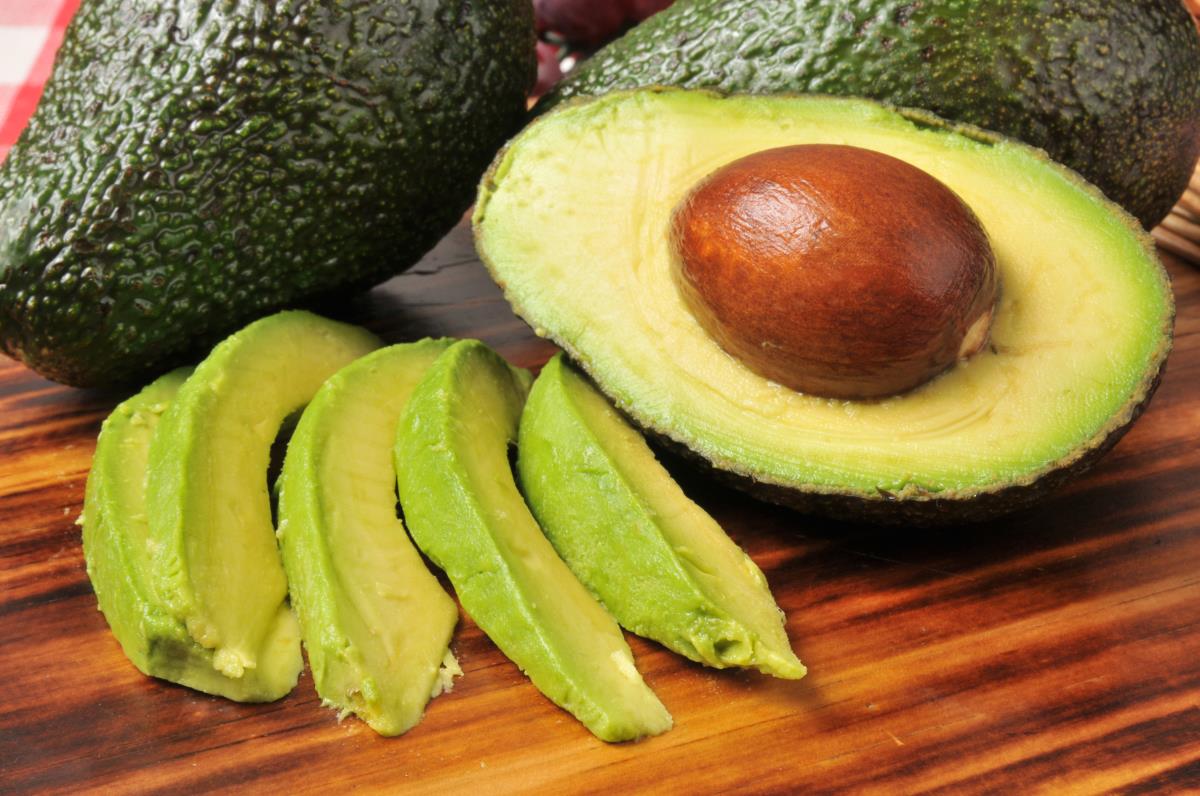
The article says half a medium avocado per serving supplies potassium comparable to a medium banana. Sea salt is included for sodium, and lemon juice contributes potassium and acidity, according to the recipe. Collagen peptides are optional and are described as an easy way to add protein; the recipe states there is no vegan collagen alternative.
Serving, Storage, and Customization
The recipe states the soup can be served warm, at room temperature, or chilled. According to the article, the blended soup can be refrigerated for a day; the texture may thicken and can be loosened with water before serving. Leftover herb swirl can be stored in a jar and used over eggs, roasted vegetables, grilled fish or chicken, rice bowls, or in dressings.
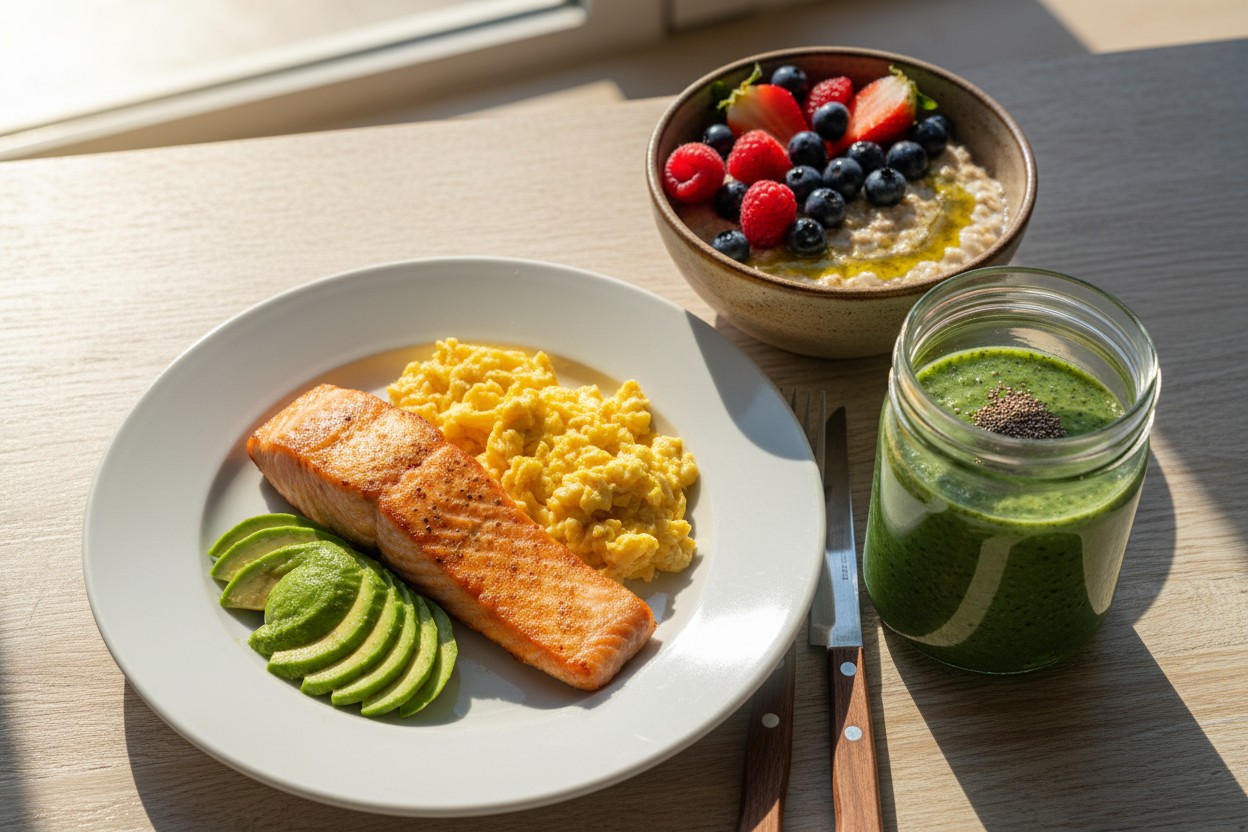
The article suggests pairing the soup with grilled chicken, salmon, egg salad, or a hearty salad for a more substantial meal. Homemade soup has been described as a source of easily absorbed proteins and minerals, with GreenMedInfo.com stating that one of the most overlooked deficiencies is simply real soup, not the stuff in a can [4]. By contrast, a 2019 report from NaturalNews.com stated that eating canned chicken noodle soup could be bad for health and that people with high blood pressure need to be especially picky about the soup they consume, especially since some canned soups contain high amounts of sodium [5].
Limitations and Medical Precautions
The article’s FAQ states the soup is not intended to replace an electrolyte drink or rehydration solution. It says the recipe is a food-first way to support hydration and can complement water and electrolyte drinks, especially on hot days or when something light and easy to digest is desired.
For people with kidney disease, heart failure, or other medical conditions, the recipe advises reducing salt or consulting a healthcare provider. The article notes that a standard blender may leave stringy fibers, and straining through a fine-mesh sieve is an option.
Conclusion
The recipe offers a no-cook method for a celery-based soup with ingredients the article describes as hydrating and electrolyte-supportive. The recipe includes preparation details, ingredient claims, and precautions for specific medical conditions. Reporting on celery has described the vegetable as containing naturally occurring minerals and plant compounds tied to circulatory health, which aligns with the recipe’s stated purpose [1].
References
- NaturalNews.com. “Lower blood pressure and improve health natur – NaturalNews.com”. NaturalNews.com. May 28, 2011.
- Dr Alan Christianson. “The Metabolism Reset Diet Repair Your Liver Stop Storing Fat and Lose Weight Naturally”.
- Gayle Reichler. “Active Wellness Feel Good for Life”.
- GreenMedInfo.com. “The Rebirth of Broth Peasant Superfood and Ultimate Beauty Secret”.
- NaturalNews.com. “A bowl of lies_ Heres why chicken noodle soup especially store-bought ones is not as healthy as you think”. NaturalNews.com. March 16, 2019.
Submit a correction >>
Tagged Under:
Celery, food cures, food is medicine, food science, Fresh, functional food, grocery cures, health science, hydration, natural health, natural ingredients, nutrients, nutrition, organics, recipes, soups, tips, veggie
This article may contain statements that reflect the opinion of the author
RECENT NEWS & ARTICLES